Your Home’s One Stop Shop…
NTX Has You Covered Bottom To Top!

Standing water or a failing retaining wall? Find the real cause — free.
North Texas clay traps water, and water is what quietly ruins yards, slopes, and foundations. A specialist walks your property, pinpoints the cause, and shows you exactly how to fix it — no cost, no pressure.
Standing water & failing retaining walls, explained
North Texas clay barely absorbs water, so when it rains, water has nowhere to go — it pools in your yard, sits against your foundation, and builds up behind retaining walls. Left alone, that trapped water erodes soil, kills grass, and pushes on your home and your walls. The wet spot is the symptom; where the water goes (or doesn’t) is the cause.
- Standing water or soggy spots after rain
- Water pooling against the foundation
- A retaining wall that leans, bulges, or cracks
- Soil or mulch washing down a slope
- Downspouts dumping right next to the house
- A patch of yard that never seems to dry
Why is water pooling or standing in my yard after it rains?
Is standing water actually hurting my home?
Why is my retaining wall leaning, bulging, or cracking?
How do I stop my slope or soil from washing away?
How much does a French drain or retaining wall cost?
Get it fixed now — pay monthly
Don’t let cost delay a repair that only gets worse. We work with two financing partners so you can start the work now and pay over time — payments as low as $75/month.*
Best for the lowest monthly payment. Compare real offers from several lenders in about 60 seconds — checking does not affect your credit score.
Check your rate — no credit impactGreat credit? Choose a promotional plan and pay no interest if you pay the balance off within the promo window.
Explore GreenSky plans*Estimated, for illustration only. Your actual rate, term, and monthly payment depend on the lender and your credit and are shown to you before you accept anything. Subject to credit approval. NTX At Home Solutions is a contractor, not a lender, and does not make credit decisions.
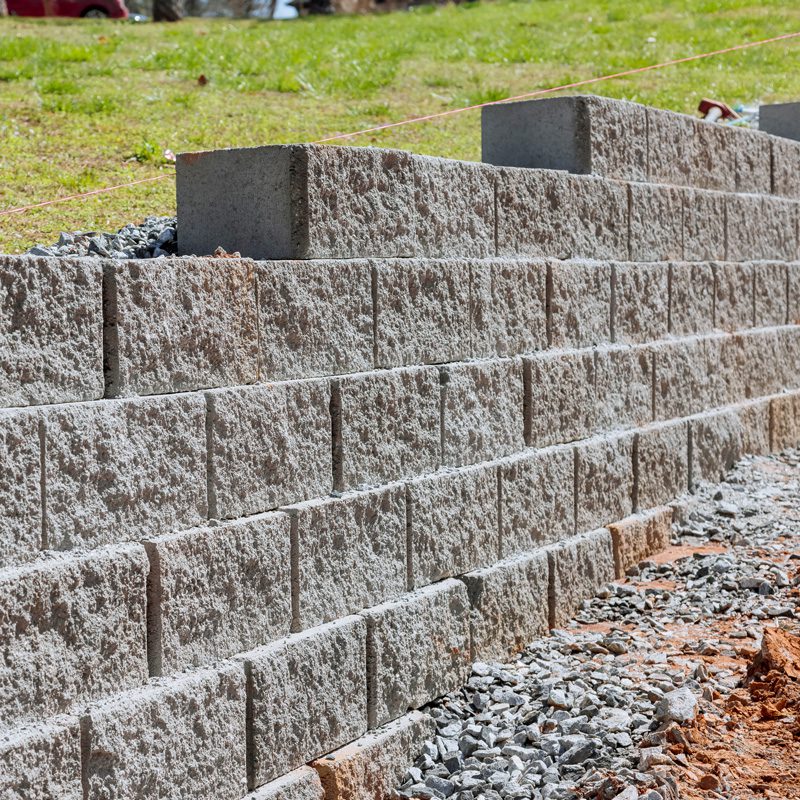
The Importance of Retaining Walls and Proper Drainage
Retaining walls are essential for preventing soil erosion, especially in areas with sloped landscapes. These walls hold back soil and provide a stable foundation for gardens and other outdoor structures, enhancing your property’s visual appeal. Effective drainage systems protect your home by directing rainwater away from the foundation, reducing the risk of flooding and potential structural damage. Investing in these outdoor features safeguards your property and promotes a healthy, attractive outdoor space.
Seamless Installation for Long-Term Protection
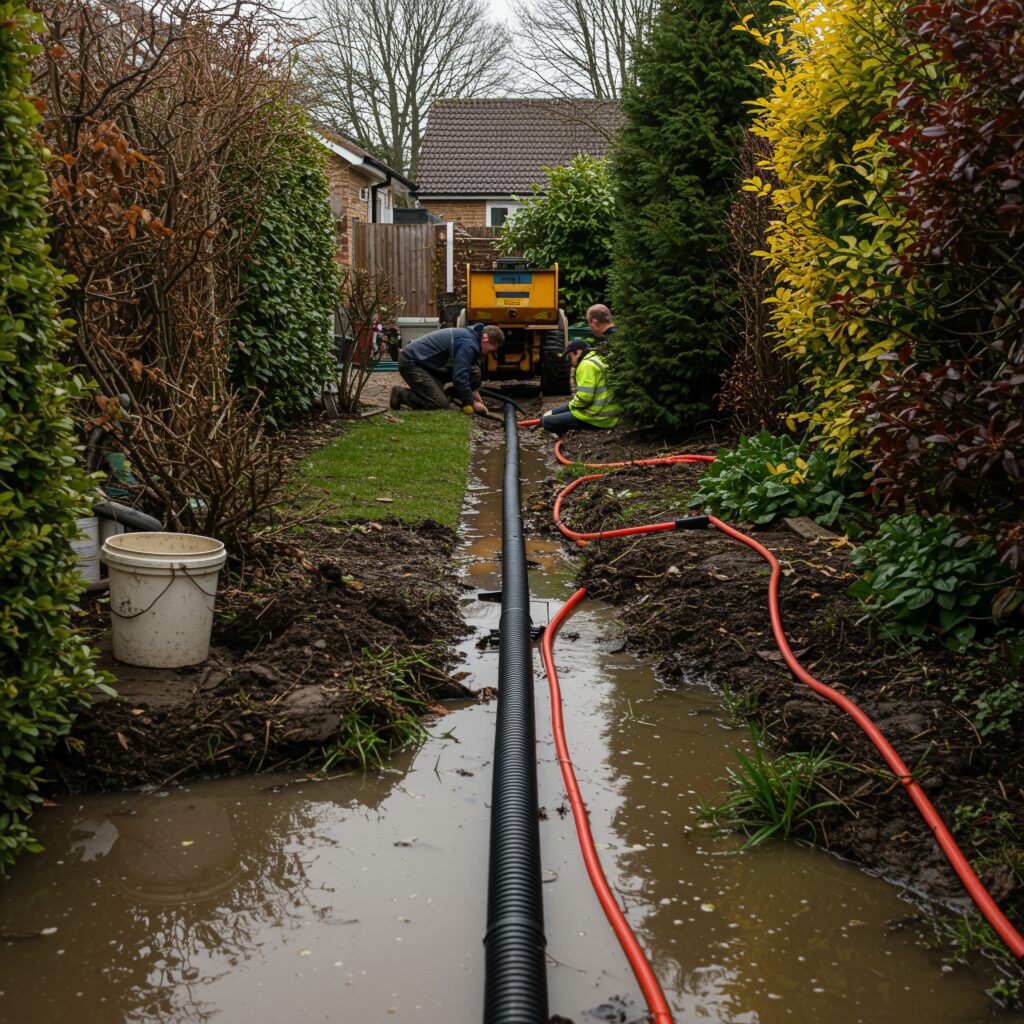
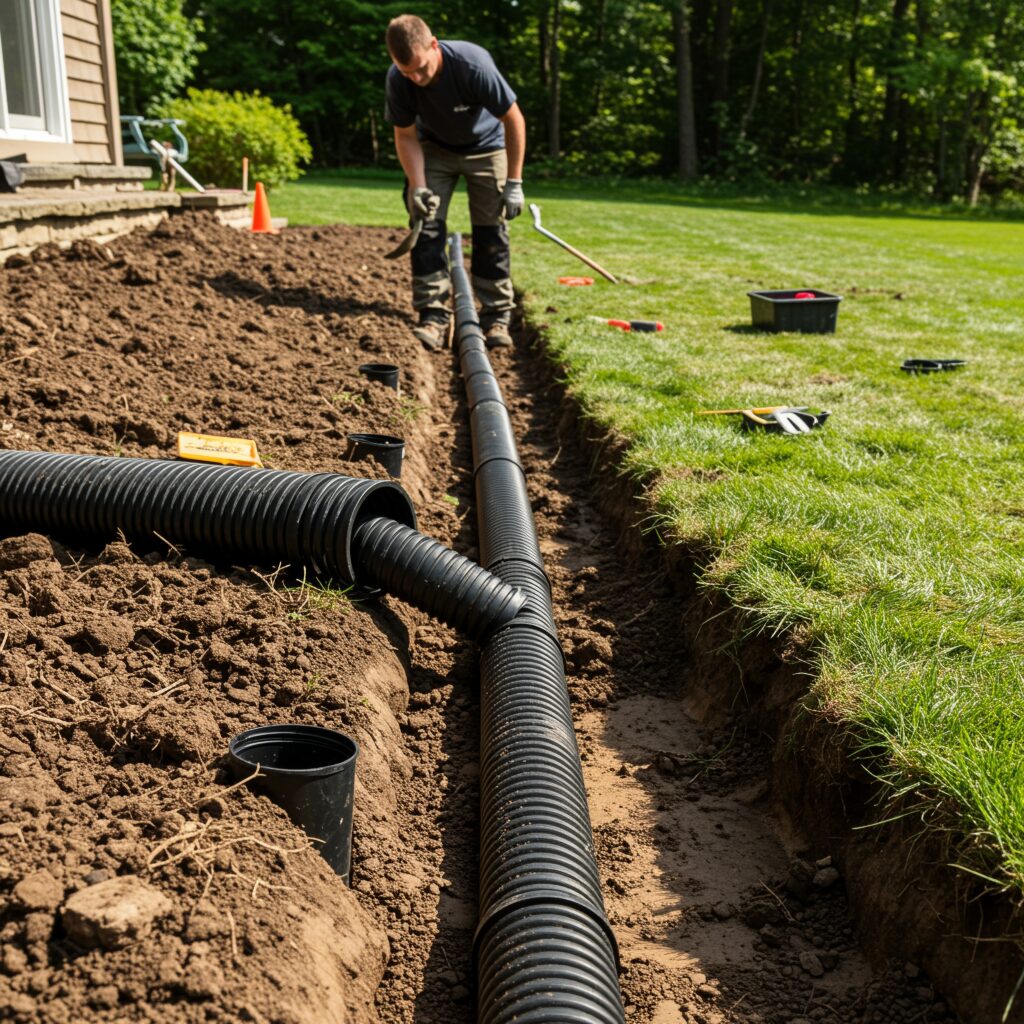
When installing retaining walls and drainage solutions, our team creates efficient and tailored processes for your specific needs. We offer concrete, engineered stone, and block retaining walls, ensuring durability and aesthetic appeal. For walls taller than four feet, we include a French drain beneath the structure to prevent any under-washing from happening and enhance the wall’s overall stability. Additionally, we install surface and French drains, with pipe and catch basin sizes depending on your unique project. We ensure a seamless installation to promote proper drainage to protect your landscape and home in the future.
Transform Your Landscape With Expert
Assessments
Ready to enhance your property’s protection and visual appeal? NTX At Home Solutions conducts expert assessments to determine the best retaining wall and drainage solution tailored to your home. Our skilled team will evaluate your landscape and provide recommendations for long-lasting improvements. Don’t let heavy rains become a potential issue. Take proactive steps to safeguard your home with our retaining walls and drainage options. Contact us to schedule a yard assessment and discover how our reliable solutions can benefit your property and increase its value. Your beautiful outdoor space awaits.
How Drainage Protects Your Foundation
In North Texas, expansive clay soils absorb water quickly and swell dramatically — then shrink and crack when dry. Poor drainage around your home means water is constantly pooling near your foundation, accelerating the cycle of expansion and contraction that causes foundation movement. A properly installed retaining wall combined with a French or surface drain system redirects water away from your home before it can cause damage.
Retaining Wall Types We Install
Concrete Retaining Walls
Poured or precast concrete walls offer maximum strength and longevity for larger slopes and heavy soil loads. Ideal for commercial properties or residential applications where long-term durability is the priority.
Engineered Stone Retaining Walls
A popular choice for DFW homeowners who want structural integrity with aesthetic appeal. Engineered stone walls complement landscaping while managing erosion effectively on sloped yards.
Block Retaining Walls
Segmental concrete block walls are versatile, cost-effective, and well-suited for residential applications. For walls taller than four feet, we install a French drain beneath the structure to prevent under-washing and extend the life of the wall.
Drainage Solutions We Install
- French Drains — Perforated pipe buried in gravel that collects and redirects subsurface water away from your foundation and yard
- Surface Drains — Catch basins and channel drains that capture standing water on patios, driveways, and flat yards
- Channel Drains — Long linear drains used in front of garages and along concrete surfaces to prevent water penetration
- Downspout Extensions — Redirecting gutter discharge away from the foundation and toward proper drainage outlets
Warning Signs You Need a Retaining Wall or Drainage Solution
- Soil eroding away from sloped areas of your yard after rain
- Standing water pooling near your foundation or in low spots in the yard
- An existing retaining wall leaning, cracking, or bulging outward
- Soggy or consistently wet areas in the yard that never fully dry out
- Water entering your garage, crawl space, or basement after rain
- Foundation cracks appearing after heavy rain seasons
Retaining Walls & Drainage — Frequently Asked Questions
How do I know if I need a retaining wall or just a drainage fix?
If your yard has a slope that’s actively eroding or shifting soil toward your home, a retaining wall is the right solution. If your yard is relatively flat but water is pooling after rain, a French drain or surface drain is typically more appropriate. In many cases both work together — we assess your specific situation during a free inspection and recommend the most cost-effective combination.
What type of retaining wall is best for North Texas soil?
North Texas expansive clay soil puts significant lateral pressure on retaining walls, especially after heavy rain. Engineered stone and concrete block walls perform best in DFW conditions because they handle the pressure from swelling soil without cracking. For walls over four feet tall, we always include a French drain beneath the structure to relieve hydrostatic pressure and prevent failure.
Do retaining walls require a permit in Texas?
In most DFW municipalities, retaining walls over four feet tall require a building permit. Some cities also require an engineer’s stamp for taller walls. NTX At Home Solutions handles the permitting process as part of the project — we’ll let you know upfront during your free inspection what’s required for your specific city.
How long does a retaining wall installation take?
Most residential retaining wall projects in the DFW area are completed in one to three days depending on wall length, height, and soil conditions. Drainage installations typically run one to two days. We’ll give you a specific timeline during your free on-site assessment before any work begins.
Can poor drainage cause foundation problems?
Yes — poor drainage is one of the leading causes of foundation damage in North Texas. When water pools near your foundation, it causes the expansive clay soil to swell and push against your slab. When it dries out, the soil shrinks and voids form beneath the foundation. This cycle of expansion and contraction leads to foundation movement, cracks, and settling. Fixing drainage early is far less expensive than repairing foundation damage later.
Does NTX offer financing for retaining walls and drainage projects?
Yes — financing is available through GreenSky starting as low as $75/month with no impact to your credit score to check eligibility. We can also fund at closing even without an executed contract in place. Ask us about financing options during your free inspection.
Posted on Google
 Crystal Fields
Trustindex verifies that the original source of the review is Google.
Blair was very professional very knowledgeable. Explained everything about the house and what was wrong with it. I appreciate it that he came out and did what he did. I would recommend him if you needed an inspector for any of that situation.Posted on Google Randy MorrisI was very happy with NTX At Home Solutions. They quoted me a very fair price for the amount of work that was needed. The crew arrived on time, worked quickly, and cleaned up thoroughly when they were finished. Over the years, there was a hill that had sunken down on one side of my house, and the crew used the removed dirt from under the house, and rebuilt the hill. My uneven foundation was raised over 2 inches, and my interior cracks are gone. I’d recommend them to anyone needing great work done at a fair price!Posted on Google
 dl pruittI HIGHLY recommend NTX, not only for the very affordable cost. Everyone associated with my repairs, from office to crew, were amazing at walking me through EVERY procedure (and I had lots of questions, LOL). The guys who did the repairs explained the creaks, bangs and noises that would occur. The work was completed in one day and cleaned amazingly.Posted on Google
 CheriGreat job! Have used their service with my clients for over 15 yearsPosted on Google
 Shelly ChadwickAfter getting multiple estimates from other companies I chose NTX not only for the responsible price but what I felt like was a detailed scope of work to be done at my home. I was emailed the elevations that were taken before work was done and after the job was complete a plumber came out to provide me with a final inspection and an engineering company gave me a final with new elevations. The crew was quick and respectful of my property while doing the work and put everything back together before leaving. I feel like I made the right choice with NTX and my foundation issues are hopefully behind me.Posted on Google
 Teena MooreBrent is very honest and professional- if he says he will be there at 12 he will be there - I totally NTXPosted on Google
 Mr. OliverOutstanding work and pricing was lower then other contractors. I was a little worried at first but attitude changed once the work was completed. I recently had them return to do additional work and still did an outstanding job!! Oliver'sPosted on Google
 WandererGreat job!Verified by TrustindexTrustindex verified badge is the Universal Symbol of Trust. Only the greatest companies can get the verified badge who has a review score above 4.5, based on customer reviews over the past 12 months. Read more